
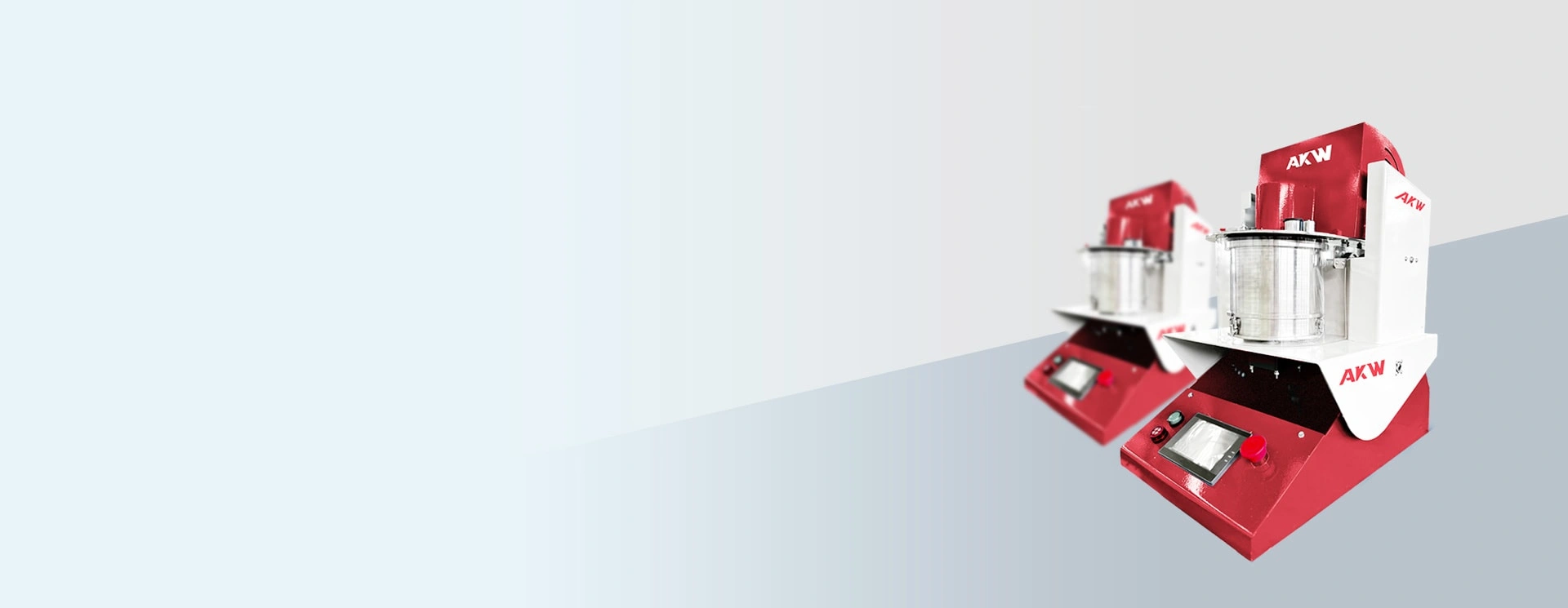

In the R&D and pilot test stage of lithium battery materials, the precise control of the fibrosis process is a core link determining electrode performance, battery energy density, and cycle life. As a world-leading R&D and manufacturing enterprise of power batteries and energy storage batteries, LG Energy Solution (LGES) of South Korea faced pain points such as uneven mixing of small-batch laboratory materials, insufficient fibrosis degree, and easy damage to material structure during the R&D of fibrosis composite materials for dry electrodes to support the technological upgrading of its 46-series cylindrical batteries and lithium-rich manganese-based batteries. It urgently needed a professional mixing equipment suitable for 5L pilot scale and deeply compatible with the lithium battery material fibrosis process. Combining LG Energy Solution's R&D needs, Chinese enterprise AKW Company customized and provided a 5L Lab Intensive Mixer dedicated to lithium battery materials, successfully solving its technical bottlenecks, helping LG Energy Solution efficiently promote R&D projects, laying the foundation for the commercialization of its dry electrode process and mass production of new batteries, and realizing the precise preparation and performance breakthrough of fibrosis materials.
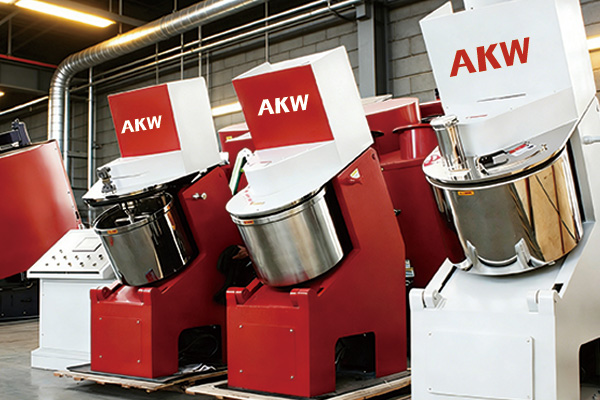
I. Customer Background and Core Needs
LG Energy Solution (LGES) of South Korea is a leading enterprise in the global lithium battery industry, focusing on the R&D and industrialization of power batteries, energy storage batteries, and new lithium battery materials. Its core products are widely used in electric vehicles, energy storage systems and other fields. Currently, it is focusing on the R&D of dry electrode technology, aiming to fully commercialize this technology by 2028. At the same time, it is deploying the R&D of new products such as 46-series cylindrical batteries and lithium-rich manganese-based batteries to improve battery energy density and reduce manufacturing costs. During its R&D process, it is necessary to conduct small-batch tests of 5L scale, uniformly mix fibrosis polymers (such as polytetrafluoroethylene) with lithium metal particles, conductive agents and other raw materials, and realize polymer wire drawing and fibrosis through precise shear force, ultimately forming a stable network-like fibrosis structure. This provides high-quality precursor materials for the subsequent preparation of dry electrode sheets and R&D of new batteries, helping it break through the bottleneck of dry electrode technology and promote the commercialization of related technologies.
Combined with the customer's R&D scenario and process requirements, its core needs can be summarized into three points: first, the equipment capacity accurately matches the 5L laboratory pilot scale, meeting the needs of small-batch and multi-batch R&D tests while ensuring operational convenience; second, the mixing process needs to precisely control the shear force, which can not only realize the full wire drawing of fibrosis polymers to form a uniform network structure, but also avoid the damage of material crystal structure and the decrease of ion conduction performance caused by excessive shearing; third, the equipment needs to have customized adaptability, which can adjust the mixing parameters according to different formulas of lithium battery materials (such as different proportions of active substances and binders), adapt to the dynamic needs of the fibrosis process, and ensure the uniformity and batch consistency of material mixing.
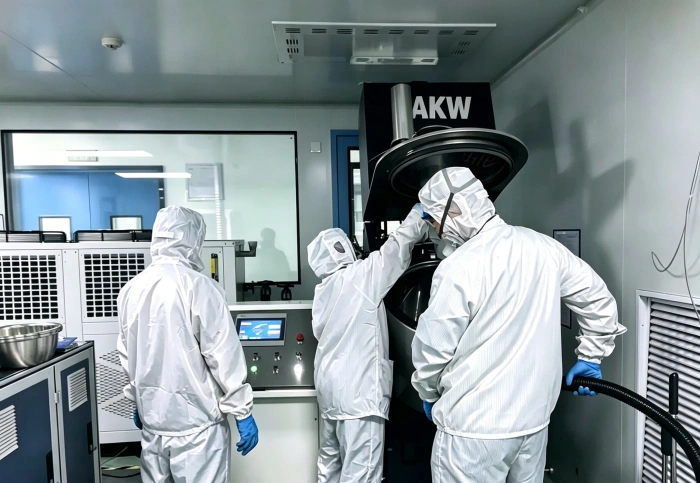
Previously, LG Energy Solution used ordinary laboratory mixers for tests, which had many pain points and were difficult to meet its high-standard R&D needs: insufficient mixing shear force led to insufficient polymer fibrosis, failure to form a continuous network structure, and serious material agglomeration, affecting the ion conduction efficiency of subsequent electrodes; fixed mixing parameters could not adapt to the fibrosis needs of materials with different formulas (such as different proportions of lithium-rich manganese-based materials and conductive agents), resulting in large differences in mixing effects between batches and affecting the accuracy of test data; poor equipment sealing performance easily led to the entry of moisture and impurities, affecting the purity and performance of lithium battery materials, which did not meet LG Energy Solution's strict product quality standards; and the inability to precisely control the mixing temperature easily caused the degradation of fibrosis polymers, further affecting the electrochemical performance of subsequent battery electrodes, seriously restricting the R&D progress and achievement transformation efficiency of its dry electrode process and new batteries.
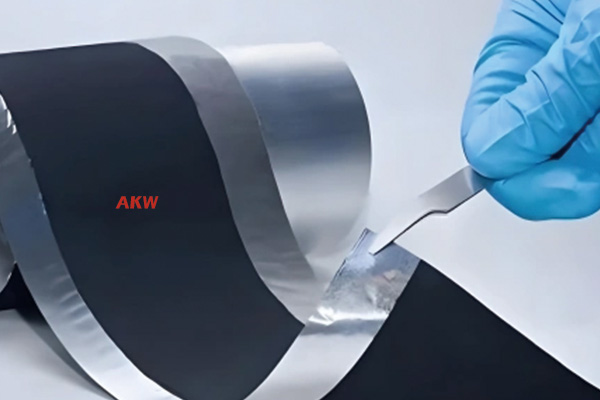
II. Customized Solution: 5L Lab Intensive Mixer Dedicated to Lithium Battery Material Fibrosis
In response to the customer's core pain points and R&D needs, relying on years of R&D experience in lithium battery material mixing equipment, Chinese enterprise AKW Company deeply matched the lithium battery material fibrosis preparation process, and customized a 5L Lab Intensive Mixer for laboratory use for LG Energy Solution. It made special optimizations in equipment structure, mixing system, control system, material selection and other aspects to achieve the R&D needs of "precise force control, customized adaptation, and high efficiency and convenience", demonstrating the technical strength and customized service capabilities of Chinese lithium battery equipment manufacturers.
(I) Core Structure Customization: Adapting to 5L Pilot Test and Fibrosis Process
The equipment adopts a compact laboratory design, with an effective mixing capacity precisely controlled at 5L, perfectly matching the customer's small-batch R&D test needs. A single feeding can meet a complete set of fibrosis tests, avoiding material waste and test errors. The mixing tank is made of borosilicate glass and 304 stainless steel composite material, which is corrosion-resistant and anti-corrosive. It can not only ensure the purity of materials, but also facilitate the observation of the internal fibrosis process, allowing R&D personnel to adjust process parameters in real time.
In response to the precise requirements of the fibrosis process for shear force, the structure of the mixing paddle is customized and optimized. It adopts a combined design of an eccentrically installed star rotor and multi-layer shear paddles, combined with stainless steel baffles built into the kettle body to play a flow disturbance role. This enables the materials to be subjected to uniform multi-directional shear force during the mixing process, which can not only efficiently break the raw material agglomerates, promote the wire drawing of fibrosis polymers to form a network structure, but also balance the shear force and material integrity through the precise regulation of paddle angle and rotation speed, avoiding material structure damage caused by over-processing, and perfectly meeting the core process requirements of lithium battery material fibrosis.
(II) Mixing System Optimization: Precise Force Control to Ensure Fibrosis Effect
The 5L Lab Intensive Mixer is equipped with a high-precision frequency conversion speed regulation system, and the mixing speed can be steplessly adjusted from 0 to 3000rpm. It can precisely adjust the mixing speed and shear force according to the fibrosis needs of materials with different formulas - for easily fibrosis polymer systems, medium and high-speed mixing (1000-2000rpm) is adopted to quickly realize wire drawing and fibrosis; for the mixing of sensitive lithium metal particles, a pulsed mixing mode of low-speed premixing (100-300rpm) + high-speed fibrosis (1500-2500rpm) is adopted to first achieve uniform dispersion of materials, then perform fibrosis treatment, and reduce the generation of side reactions of lithium metal particles.
At the same time, the equipment integrates an intelligent temperature control system. Through the jacket circulation heating/cooling design, the mixing temperature can be precisely controlled between 25-100℃, meeting the temperature requirements of different fibrosis processes, and avoiding polymer degradation caused by excessive temperature or poor fibrosis effect caused by too low temperature. During the mixing process, under the synergistic effect of multi-directional shear force and precise temperature control, the materials can form a uniform and continuous network-like fibrosis structure, providing high-quality precursors for the subsequent preparation of electrode sheets.
(III) Customized Details: Exclusive Design for Lithium Battery R&D
1. Sealing Performance Optimization: Adopting a self-lubricating mechanical seal structure with polytetrafluoroethylene seals to ensure equipment sealing, which can effectively isolate air, moisture and impurities, meet the preparation requirements of low humidity (dew point less than -40℃) for lithium battery materials, and ensure material purity and performance;
2. Operational Convenience Design: Equipped with a touch screen control system, which can display mixing speed, temperature, time and other parameters in real time, support parameter presets and data export (USB interface, Excel format), facilitating R&D personnel to record test data and optimize process parameters, and improve R&D efficiency; at the same time, it adopts a movable material cylinder and hydraulic lifting system, which is convenient for material feeding, discharging and equipment cleaning, and reduces cross-contamination;
3. Material Customization and Adaptation: The mixing paddle and parts in contact with materials are made of pure polytetrafluoroethylene or 316 stainless steel, which has high chemical stability and low friction coefficient, reducing material adhesion and component wear, and avoiding the mixing of metal impurities, adapting to the high purity requirements of lithium battery materials;
4. Process Adaptation and Adjustment: According to different formulas developed by customers (such as different proportions of active substances, conductive agents, and binders), the structure of the mixing paddle, speed range and temperature control parameters can be flexibly adjusted without overall equipment modification, greatly reducing the investment cost of R&D equipment.
III. Application Effects and Customer Feedback
After the 5L Lab Intensive Mixer dedicated to lithium battery material fibrosis developed and produced by Chinese enterprise AKW Company was put into use, it perfectly solved the previous R&D pain points of LG Energy Solution, deeply matched its lithium battery material fibrosis preparation process, achieved remarkable application effects, and was highly recognized by LG Energy Solution. It has also become a typical case of Chinese lithium battery equipment going global and serving international leading enterprises.
(I) Core Application Effects
1. Significant Fibrosis Effect: Through precise shear force and temperature control, the fibrosis polymer achieves full wire drawing, forming a uniform and continuous network-like fibrosis structure, which uniformly coats active substances and conductive agents, effectively building an efficient ion conduction network. It solves the problems of insufficient fibrosis and material agglomeration of traditional equipment, and the material mixing uniformity is increased from 85% to more than 99.2%;
2. Guaranteed Material Performance: The equipment precisely balances shear force and material integrity, avoiding material structure damage caused by over-mixing. The generation of side reactions of lithium metal particles is reduced by more than 80%, and the crystal structure of the fibrosis polymer remains intact, effectively improving the conductivity and cycle stability of subsequent electrode sheets, and the battery's first charge-discharge efficiency is increased by 3.5%;
3. Greatly Improved R&D Efficiency: The equipment is suitable for 5L pilot scale, easy to operate and adjustable in parameters, enabling small-batch and multi-batch tests. The mixing time for each batch of fibrosis is shortened from 6 hours to less than 30 minutes, greatly shortening the R&D cycle; at the same time, the parameter preset and data export functions facilitate R&D personnel to optimize the process and accelerate achievement transformation;
4. Excellent Batch Consistency: The equipment's mixing parameters are precisely controllable, and the difference in fibrosis degree and mixing uniformity of materials in different batches is controlled within ±1%, effectively ensuring the accuracy and reliability of test data, and providing a precise process reference for subsequent pilot tests and mass production.
(II) Customer Feedback
The R&D director of LG Energy Solution said: "The 5L Lab Intensive Mixer from Chinese AKW Company is fully suitable for our R&D needs of fibrosis composite materials for dry electrodes. The precise force control advantage of the customized mixing system has completely solved the pain points of uneven mixing and insufficient fibrosis we previously faced. The equipment is easy to operate and flexible in parameter adjustment. It can not only meet the test needs of different formulas (including lithium-rich manganese-based materials and materials dedicated to 46-series cylindrical batteries), but also ensure material performance and batch consistency, greatly improving our R&D efficiency. It provides strong support for the commercialization of our dry electrode process and the R&D of new batteries. It is an ideal equipment for the laboratory pilot stage, and also fully demonstrates the professional strength of Chinese AKW Company in the field of lithium battery mixing equipment, which meets LG Energy Solution's core requirements for high precision and high reliability of R&D equipment."
IV. Case Summary
In this case, focusing on the lithium battery material fibrosis R&D needs of LG Energy Solution (LGES) of South Korea, Chinese enterprise AKW Company deeply matched its dry electrode preparation process and new battery R&D scenario. The customized 5L Lab Intensive Mixer for laboratory use, with its precise shear force control, flexible parameter adjustment, high-quality material adaptation and convenient operation design, successfully solved the fibrosis process pain points of LG Energy Solution in the laboratory pilot stage, helping it efficiently promote the R&D projects of dry electrode process and new products such as 46-series cylindrical batteries and lithium-rich manganese-based batteries, demonstrating the technical advantages and international competitiveness of Chinese lithium battery equipment manufacturing.
This equipment is not only suitable for 5L pilot scale, but also can be customized and adjusted according to the dynamic needs of LG Energy Solution's lithium battery material R&D. It not only ensures the preparation quality of fibrosis materials, but also improves R&D efficiency, fully reflecting the core advantages of Chinese AKW Company's "deeply adapting to the process and providing customized services", and also meeting LG Energy Solution's high standards and high reliability requirements for R&D equipment. In the future, Chinese AKW Company will continue to focus on the field of lithium battery material mixing equipment, combine the development trend of industry technology, rely on its own R&D strength and manufacturing experience, provide more targeted and professional customized mixing solutions for global leading lithium battery enterprises such as LG Energy Solution, help the technological innovation and high-quality development of the lithium battery industry, jointly promote the commercialization of new processes such as dry electrodes, and continuously promote Chinese lithium battery equipment to the global market.

